

Menu +
Safety Training That Supports SIF Prevention
Help people recognize serious exposure and understand the protection their work requires.
SoIN Safety delivers practical training for manufacturing employees, supervisors and leaders.
Training topics
Choose a topic to explore the training coverage and how it connects to actual work.
Hazardous Energy and Machine Safety
Help employees and supervisors recognize serious exposures involving unexpected equipment movement, hazardous energy and moving machinery.
Training topics include:
- Role-specific lockout/tagout: Responsibilities of authorized, affected and other employees.
- Equipment-specific energy control: Understanding the procedures and protections required for the equipment and tasks involved.
- Stored energy and verification: Recognizing residual energy and understanding how effective isolation is confirmed.
- Machine guarding: Recognizing caught-in, caught-between, crushing and amputation exposures, along with missing or ineffective safeguards.
- Nonroutine work: Understanding protection needs during setup, cleaning, troubleshooting, jam clearing and maintenance.
- Supervisor follow-through: Responding to safeguard concerns, addressing barriers to safe work, and checking that lessons reach affected teams.
Content and practical exercises are matched to the facility’s equipment, procedures and employee responsibilities.
Forklift, Pedestrian and Mobile Equipment Safety
Help operators, pedestrians and supervisors recognize serious exposures involving moving equipment, unstable loads and interactions between people and vehicles.
Training topics include:
- Operator training and evaluation: Equipment- and site-specific instruction, practical training and workplace performance evaluation for powered industrial truck operators.
- Pedestrian separation: Understanding designated routes, barriers, controlled crossings and access arrangements that keep people clear of moving equipment.
- Visibility and caught-between exposures: Recognizing blind spots, reversing movements, rear-end swing, and situations where someone could be pinned against equipment or structures.
- Load handling and stability: Understanding capacity, attachments, load security, travel conditions and overturn hazards.
- Loading docks and trailers: Recognizing exposure at dock edges, during trailer entry, and where vehicle movement could create a serious incident.
- Equipment condition: Recognizing defects, reporting concerns and following procedures for equipment that is unsafe to operate.
- Supervisor follow-through: Addressing traffic conflicts and close calls, maintaining protective arrangements, and reassessing conditions when equipment or work changes.
Training reflects the equipment, loads, traffic arrangements and operating conditions at the facility.
Fall Protection and Working at Heights
Help employees and supervisors plan elevated work, recognize potentially fatal fall exposures, and understand the safeguards required for the task.
Training topics include:
- Recognizing serious exposures: Unprotected edges, floor and roof openings, elevated maintenance tasks, fragile surfaces and falling-object hazards.
- Planning safer access: Considering ways to avoid elevated work and understanding appropriate platforms, guardrails, covers and other protective arrangements.
- Ladders and elevated work equipment: Selection, inspection, safe use and equipment limitations, with instruction matched to the equipment involved.
- Personal fall protection: Understanding restraint and fall-arrest systems, harness fit, compatible components, designated anchorages, clearance and swing-fall hazards.
- Inspection and equipment condition: Recognizing damage, following inspection requirements, and removing unsuitable equipment from service.
- Rescue readiness: Understanding the site’s rescue arrangements, individual responsibilities and the need for prompt rescue following an arrested fall.
- Supervisor follow-through: Confirming protective arrangements before work begins and reassessing protection when tasks or conditions change.
Content and practical exercises are matched to the work, protection systems and employee responsibilities at the facility.
Confined Space Entry Training
Help employees and supervisors recognize potentially fatal confined-space hazards and understand the protections and responsibilities required for entry.
Training topics include:
- Identifying confined spaces: Recognizing confined spaces, permit-required spaces and restrictions on unauthorized entry.
- Understanding serious exposures: Dangerous atmospheres, engulfment, entrapment, hazardous energy and hazards introduced by the work.
- Role-specific responsibilities: Duties of authorized entrants, attendants and entry supervisors, including communication and coordination.
- Entry planning and controls: Understanding isolation, atmospheric testing and monitoring, ventilation, equipment and permit conditions.
- Recognizing changing conditions: Identifying warning signs, communicating concerns, and understanding when entry must stop and entrants must evacuate.
- Rescue readiness: Understanding planned rescue arrangements, how to summon help, assigned non-entry rescue duties, and the dangers of unplanned rescue attempts.
- Coordination and follow-through: Managing handoffs with contractors and other teams, reviewing entry concerns, and applying lessons to similar spaces.
Content and practical exercises are matched to the facility’s spaces, hazards, procedures, equipment and assigned employee roles.
Hot Work and Fire Prevention
Help employees, supervisors and contractors recognize potentially fatal fire and explosion exposures and understand the protections required before, during and after hot work.
Training topics include:
- Recognizing fire and explosion hazards: Flammable materials, combustible dust, ignition sources, and heat or sparks reaching adjacent or concealed areas.
- Planning and authorization: Understanding designated work areas, pre-work inspections, the site’s authorization and permit process, and conditions that prohibit hot work.
- Preparing the work area: Removing or protecting combustibles, protecting openings, and coordinating with nearby operations.
- Work on tanks, piping and equipment: Recognizing residual-content hazards and understanding isolation, cleaning, testing and confined-space precautions where applicable.
- Fire-watch responsibilities: Understanding when a fire watch is needed, areas requiring observation, available equipment, communication and required post-work monitoring.
- Fire prevention and emergency response: Housekeeping, ignition control, alarms, evacuation and extinguisher use within assigned responsibilities and training.
- Supervisor and contractor follow-through: Confirming precautions remain effective, responding to changing conditions, and completing the agreed post-work checks and handoff.
Content and practical exercises reflect the facility’s hot-work activities, fire hazards, procedures and assigned roles.
Emergency Response and Life Safety
Prepare manufacturing teams to recognize emergencies, protect themselves and others, and act within clearly defined roles when lives are at risk.
Training topics include:
- Emergency recognition and communication: Recognizing urgent situations, reporting emergencies, understanding alarms and summoning appropriate help.
- Evacuation, shelter and accountability: Understanding site-specific protective actions, routes, assembly locations and arrangements for employees, contractors and visitors.
- First Aid, CPR and AED: Developing practical skills for responding to injury and sudden illness within the selected course and assigned responsibilities.
- Bloodborne pathogen protection: Understanding exposure precautions, protective equipment and reporting procedures for employees providing assistance.
- Severe weather and chemical-release awareness: Recognizing relevant threats—including ammonia where applicable—and following the site’s protective-action plan.
- Workplace violence and active-assailant preparedness: Recognizing and reporting threats and understanding protective actions within the organization’s emergency arrangements.
- Drills and leadership follow-through: Practicing plans, coordinating with emergency services, identifying gaps and carrying corrective actions through to verification.
Training and practical exercises are matched to the facility’s hazards, emergency plans and assigned employee roles.
Hazard Communication and Chemical Safety
Help employees and supervisors turn chemical information into practical decisions that prevent serious exposure, injury and illness.
Training topics include:
- Recognizing chemical hazards: Toxic effects, corrosive burns, oxygen displacement, fire and explosion potential, and other relevant health hazards.
- Labels and safety data sheets: Understanding hazard statements, pictograms, workplace labels and how to find and use safety data sheets.
- Handling, storage and transfer: Understanding chemical compatibility, container identification and the precautions required for the materials and tasks involved.
- Exposure controls and protective equipment: Understanding containment, ventilation, safe work practices, task-specific PPE and the limitations of protective measures.
- Nonroutine work and coordination: Recognizing chemical exposures during cleaning, maintenance and process changes, and communicating hazards to contractors and affected teams.
- Spills, leaks and releases: Recognizing warning signs, reporting concerns, and following the site’s emergency procedures within assigned responsibilities and training.
- Supervisor follow-through: Addressing missing information or ineffective controls, communicating new hazards, and applying lessons across affected shifts and areas.
Content and practical exercises use the facility’s chemicals, safety data sheets, procedures and actual work situations.
Core OSHA and General Safety Training
Build a shared foundation for recognizing serious exposures, understanding responsibilities and putting workplace protections into practice.
Training options include:
- OSHA 10-Hour General Industry: Broad awareness of workplace hazards, workers’ rights and employer responsibilities.
- OSHA 30-Hour General Industry: More extensive hazard-awareness training for supervisors and workers with safety responsibilities.
- New-hire and site safety orientation: Introducing workplace hazards, critical safeguards, reporting channels and emergency arrangements.
- SIF recognition and pre-task planning: Examining how work could cause serious harm, identifying necessary safeguards and recognizing when conditions require reassessment.
- Supervisor safety responsibilities: Responding to employee concerns, checking protective measures, addressing barriers and following through on critical actions.
- Reporting and organizational learning: Reporting hazards, injuries and close calls, communicating the response, and applying lessons across affected teams.
- General safety refreshers: Reinforcing relevant procedures, addressing knowledge gaps and preparing employees for changes in tasks, equipment or conditions.
OSHA Outreach courses provide general hazard awareness. Equipment-, task- and standard-specific training needs are identified and scoped separately.
How Training Is Delivered and Reinforced on the Job
SoIN Safety connects training to actual work, practical application and leadership follow-through.
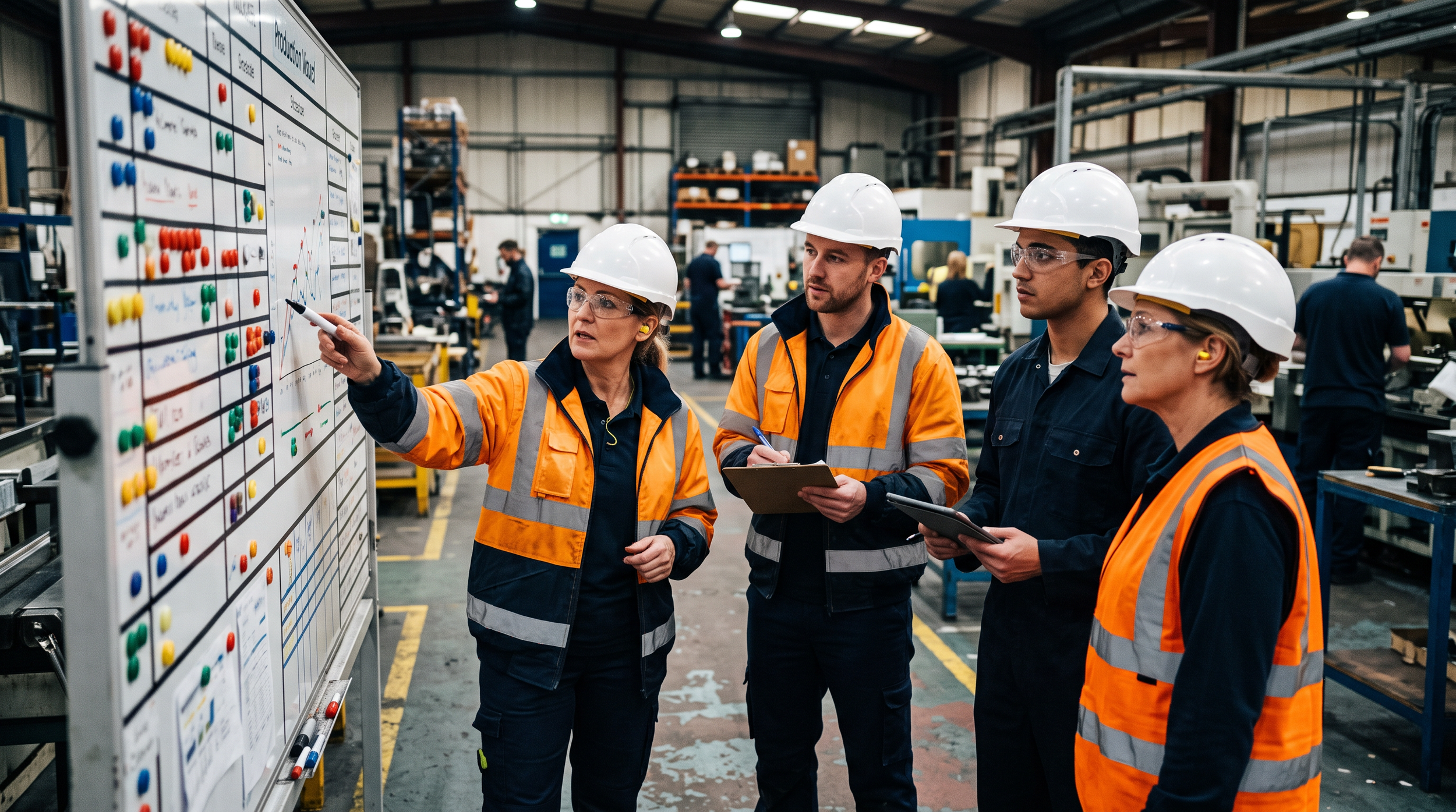
Start with the work.
Agree the tasks, serious exposures, employee roles and learning outcomes the training needs to address.
Choose the appropriate format.
Use on-site, virtual or multi-session delivery according to the topic, practical requirements and applicable course rules.
Practice relevant decisions and skills.
Use workplace examples, discussions, demonstrations and practical exercises matched to participants’ responsibilities.
Apply learning in manageable steps.
Where appropriate, use focused sessions and agreed activities between sessions to connect learning with everyday work.
Help supervisors reinforce the learning.
Provide discussion prompts, observation questions and follow-up priorities that fit existing team routines.
Check understanding and application.
Use appropriate knowledge checks, practical evaluations and agreed follow-up observations or employee conversations. Identify remaining gaps in knowledge, safeguards, procedures or resources.
Carry useful lessons forward.
Give identified concerns clear ownership and share relevant learning across affected shifts, departments or sites.
Reinforcement activities, supervisor support and follow-up involvement are agreed as part of the training scope.
How a Training Engagement Gets Started
Discuss the work and training need.
The first conversation explores the tasks, serious exposures, participants and intended outcomes. SoIN Safety and the client clarify whether the need involves general awareness, role-specific knowledge, practical skills or reinforcement of existing learning.
Agree the training plan.
Together, SoIN Safety and the client select the topics, delivery format, learning outcomes and any practical training or evaluation requirements. Relevant equipment, procedures and workplace examples are identified, along with the scope, investment and any follow-up support.
Deliver the training and connect it to the job.
Participants receive the agreed instruction, practice and learning checks. Where included, supervisor reinforcement and follow-up activities help apply the learning, identify remaining barriers and assign clear next steps.