
Find Why Problems Persist—and Fix the Conditions Behind Them
Repeated issues are rarely solved by another reminder or retraining. SoIN Safety helps leaders see where real work and expectations diverge, remove the barriers making safe performance difficult, and verify that improvements hold across shifts and sites.
The people closest to the work are treated as operational experts, and accountability remains clear without reducing complex conditions to individual blame.
See the Signals. Remove the Barriers. Scale the Learning.
-
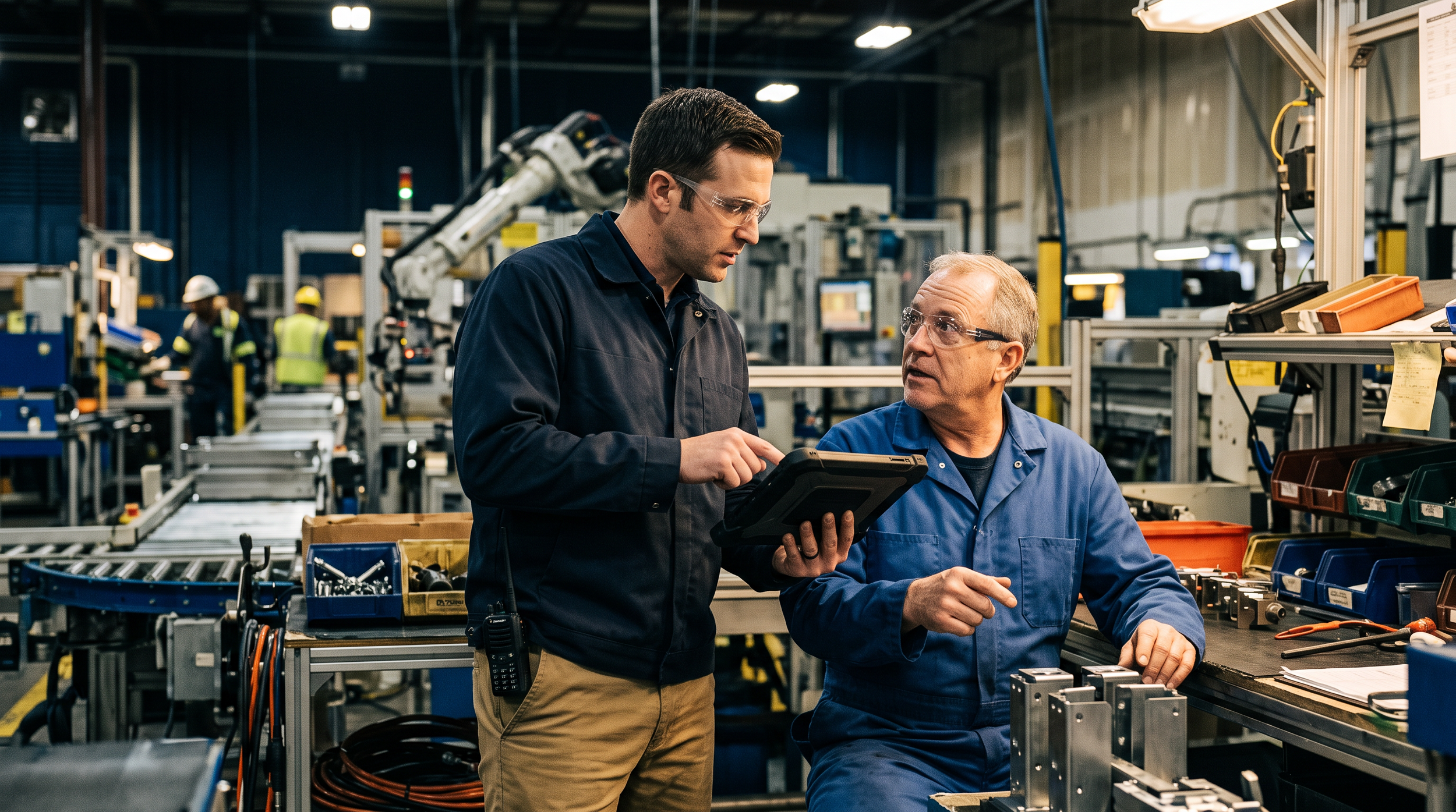
Compare Work as Imagined with Work as Done. Bring together operational data, leadership expectations, and the experience of people closest to the job to identify where conditions may be shaping performance.
-
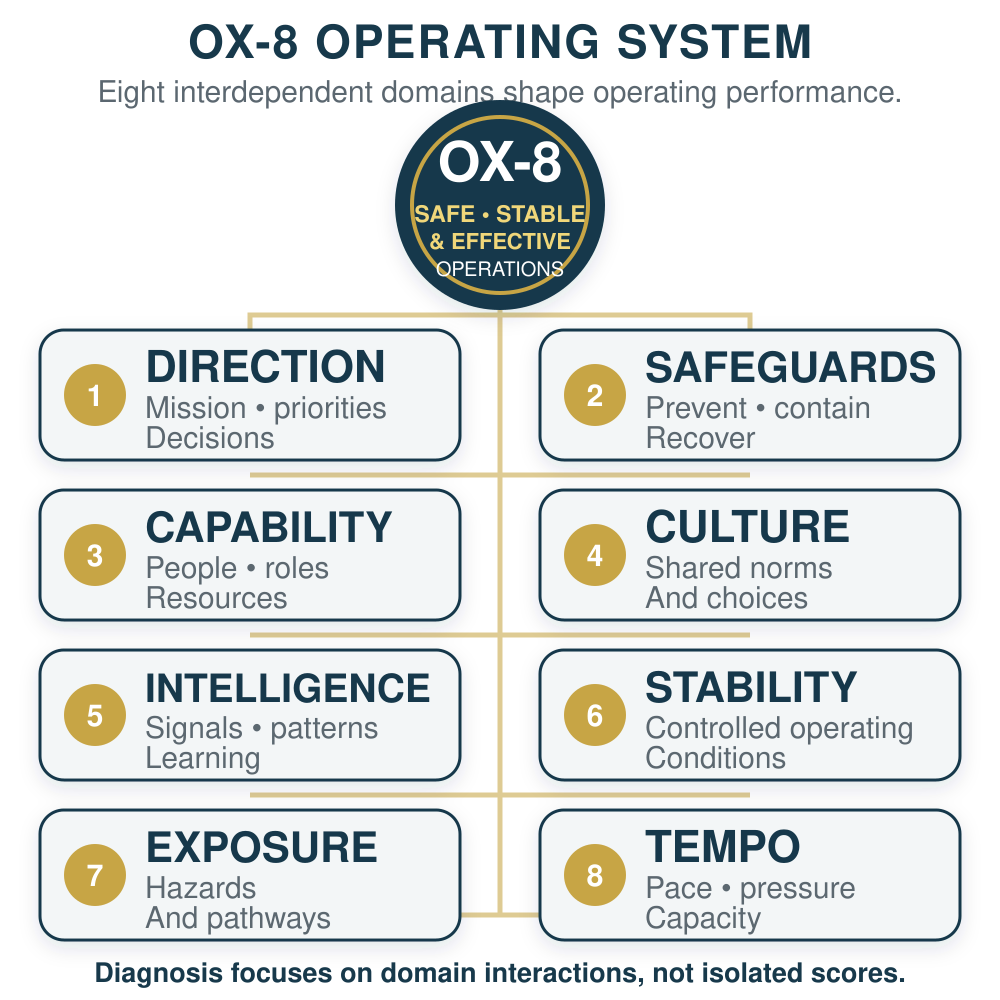
Identify the organizational and operating conditions making safe, reliable work harder than it should be. Prioritize practical changes, establish ownership, and remove obstacles affecting the work.
-
Verify whether changes helped, capture what the team learned, and share applicable lessons across shifts, departments, work processes, and locations.
What You Receive
A clear comparison of expected work and actual operating conditions. A prioritized view of the barriers and exposure affecting performance. A practical action plan with owners, timing, and measures. A verification summary showing what changed, what remains, and what should be shared.
Turn Findings Into Action
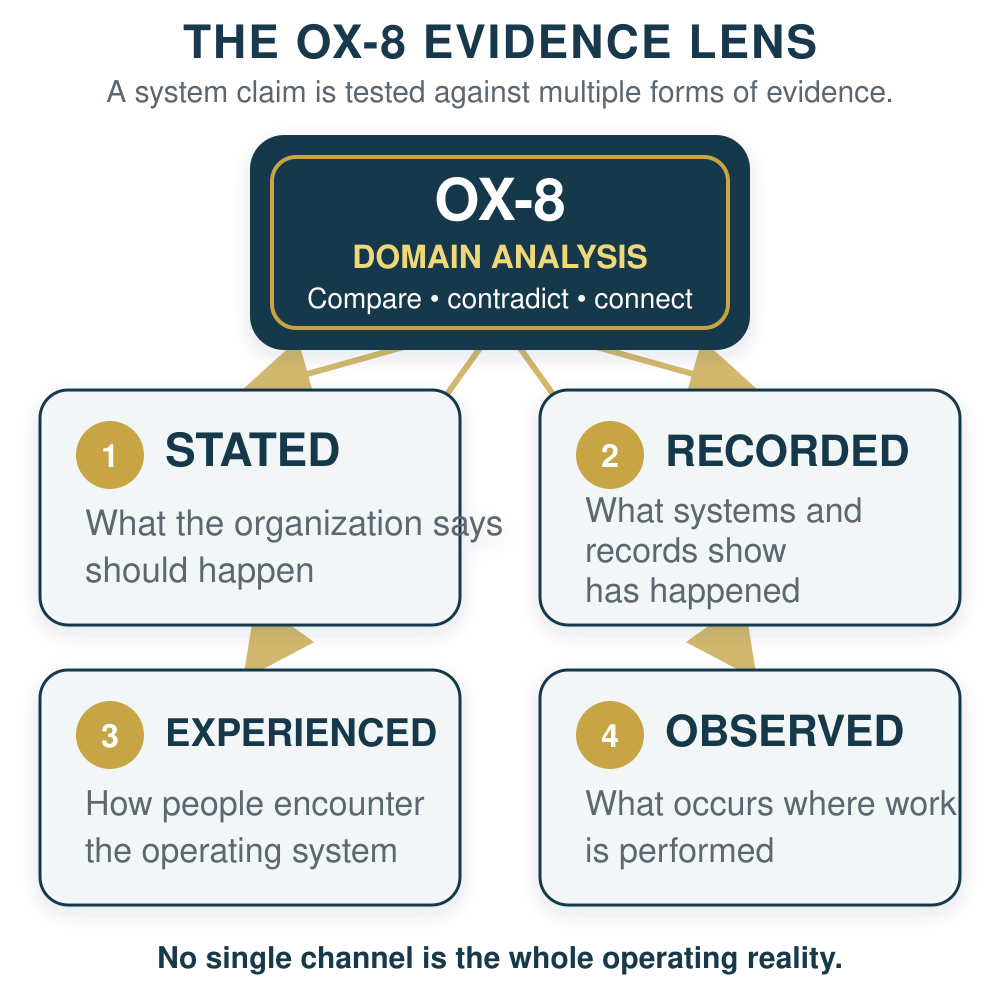
SoIN Safety brings leadership expectations, records, workforce experience, and observed work into one practical view. You leave knowing what is helping, what is getting in the way, what to change first, and how success will be verified.